
Understanding Texas Climate and Its Effect on HVAC Systems
LA
When it comes to understanding how climate affects HVAC systems, Texas presents a unique challenge. With its vast expanse and varied weather patterns, Texas experiences everything from scorching summers to unexpectedly chilly winters. This variability means that HVAC systems must be both versatile and robust to maintain comfort throughout the year.
One of the most significant impacts of the Texan climate on HVAC systems is the intense summer heat. Temperatures often soar above 100 degrees Fahrenheit, making air conditioning an absolute necessity for homes and businesses alike. These extreme conditions can lead to increased wear and tear on AC units, necessitating regular maintenance and timely upgrades to ensure efficiency.

Humidity: A Hidden Challenge
Texas isn't just hot; it can also be incredibly humid. High humidity levels can affect indoor air quality and put additional strain on HVAC systems. When the air is moist, systems have to work harder to remove excess moisture, leading to higher energy consumption and increased utility bills.
Homeowners can mitigate these effects by investing in systems with built-in dehumidifiers or by using standalone units. Regularly checking and replacing air filters can also help maintain air quality and system efficiency.
Winter Considerations
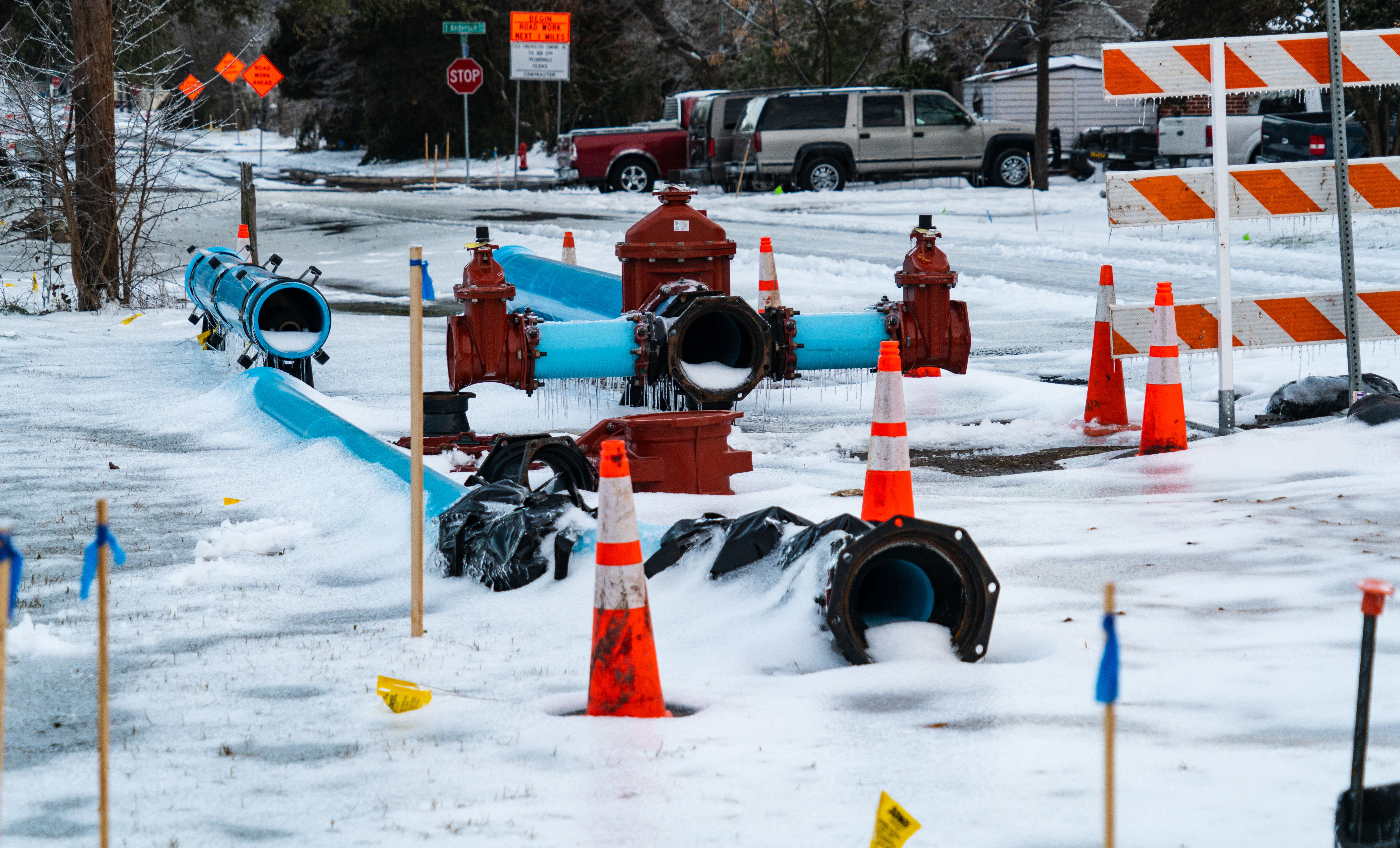
While Texas is known for its heat, winter can bring unexpected cold snaps. Sudden drops in temperature can catch residents off guard, making heating systems just as important as their cooling counterparts. Ensuring that HVAC systems are well-maintained and capable of switching between heating and cooling is crucial for year-round comfort.
Energy Efficiency and Cost Savings
Given the demands placed on HVAC systems by the Texas climate, energy efficiency becomes a top priority. Upgrading to an energy-efficient system can lead to significant cost savings over time. Look for HVAC units with a high Seasonal Energy Efficiency Ratio (SEER) rating to ensure optimal performance.
Additionally, consider programmable thermostats, which can automatically adjust temperatures based on your schedule, further reducing energy consumption and costs.
Regular Maintenance: A Key to Longevity
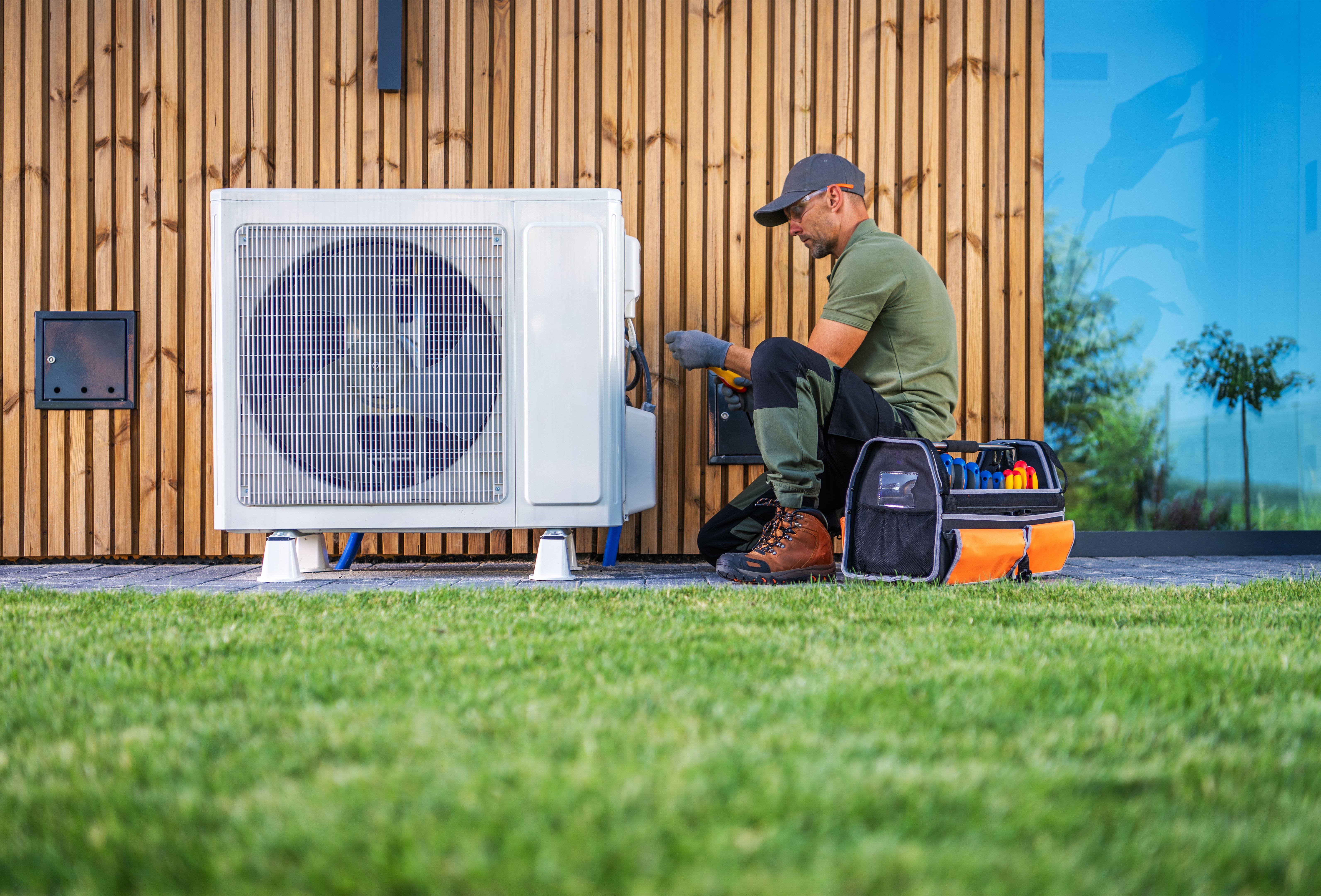
Regular maintenance is essential for any HVAC system, but it's especially crucial in a state like Texas. Scheduling bi-annual check-ups can help identify potential issues before they become major problems, ensuring that your system runs smoothly throughout the year.
- Check and replace filters regularly.
- Inspect ductwork for leaks or blockages.
- Ensure the outdoor unit is free from debris.
Choosing the Right System for Your Home
When selecting an HVAC system, consider the specific needs of your home and the local climate. Systems that are too large or too small can lead to inefficiency and higher costs. Consulting with an HVAC professional can help you find the right fit for your home’s unique requirements.
Ultimately, understanding the Texas climate and its effects on HVAC systems is key to maintaining a comfortable and energy-efficient home. By investing in the right equipment and regular maintenance, you can ensure your system is up to the challenge, no matter what the weather brings.