
Understanding Mini-Split Systems: Heating and Cooling Solutions
LA
What Are Mini-Split Systems?
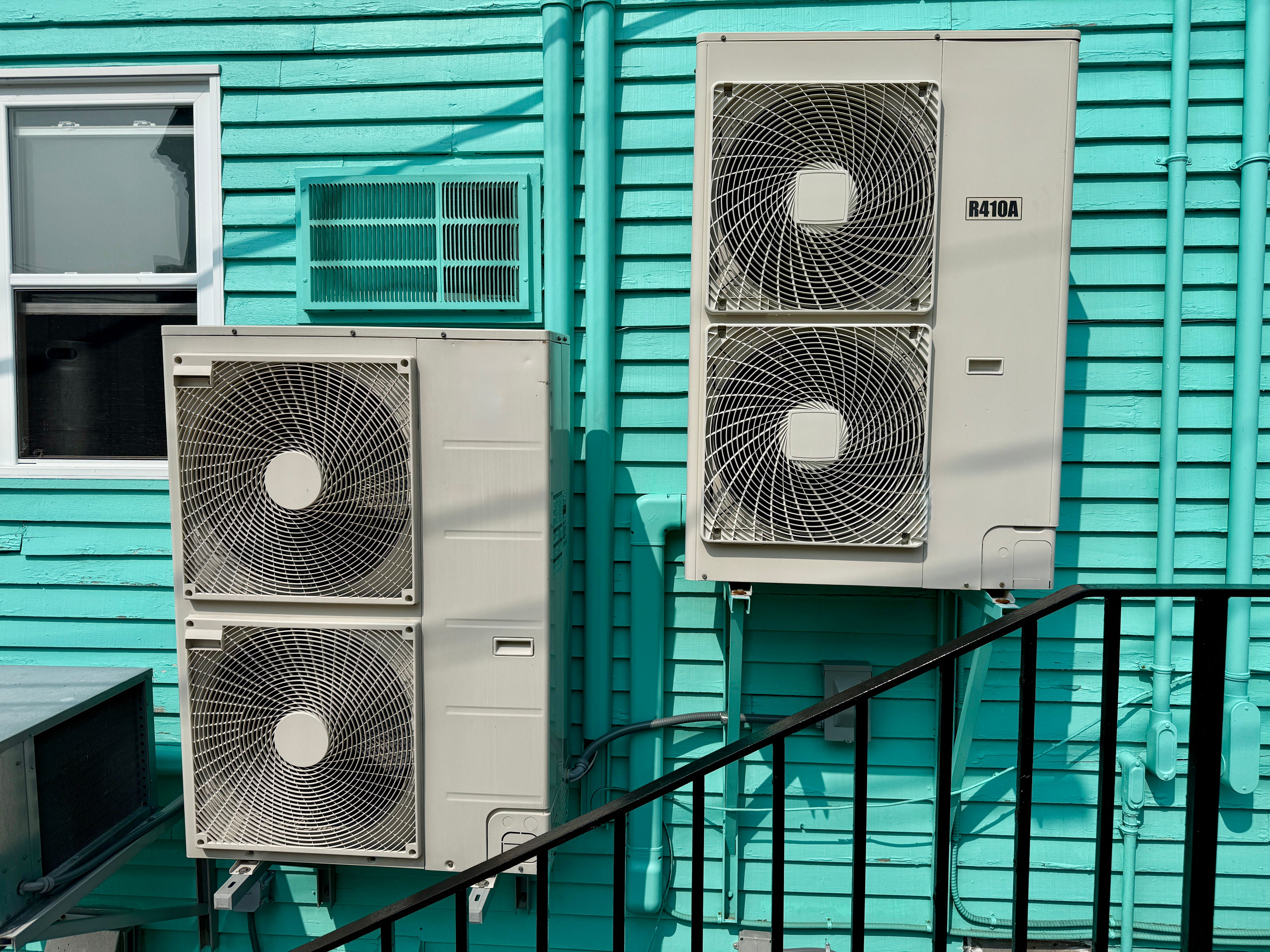
Mini-split systems, often referred to as ductless systems, are versatile heating and cooling solutions designed for individual rooms or zones within a home. Unlike traditional HVAC systems, mini-splits do not require ductwork, making them ideal for homes without existing ducts or for room additions.
These systems consist of an outdoor compressor unit and one or more indoor air-handling units, connected by refrigerant lines. This setup allows for efficient temperature control on a room-by-room basis, providing both flexibility and energy efficiency.
How Do Mini-Split Systems Work?
Mini-split systems operate by transferring heat between the indoor and outdoor units. In cooling mode, they extract heat from the indoor air and release it outside. In heating mode, they reverse the process, absorbing heat from the outside air and bringing it indoors.
Each indoor unit is equipped with its own thermostat, allowing for precise temperature adjustments in different areas of the home. This zoned approach not only enhances comfort but also reduces energy consumption by avoiding unnecessary heating or cooling of unoccupied spaces.
Components of a Mini-Split System
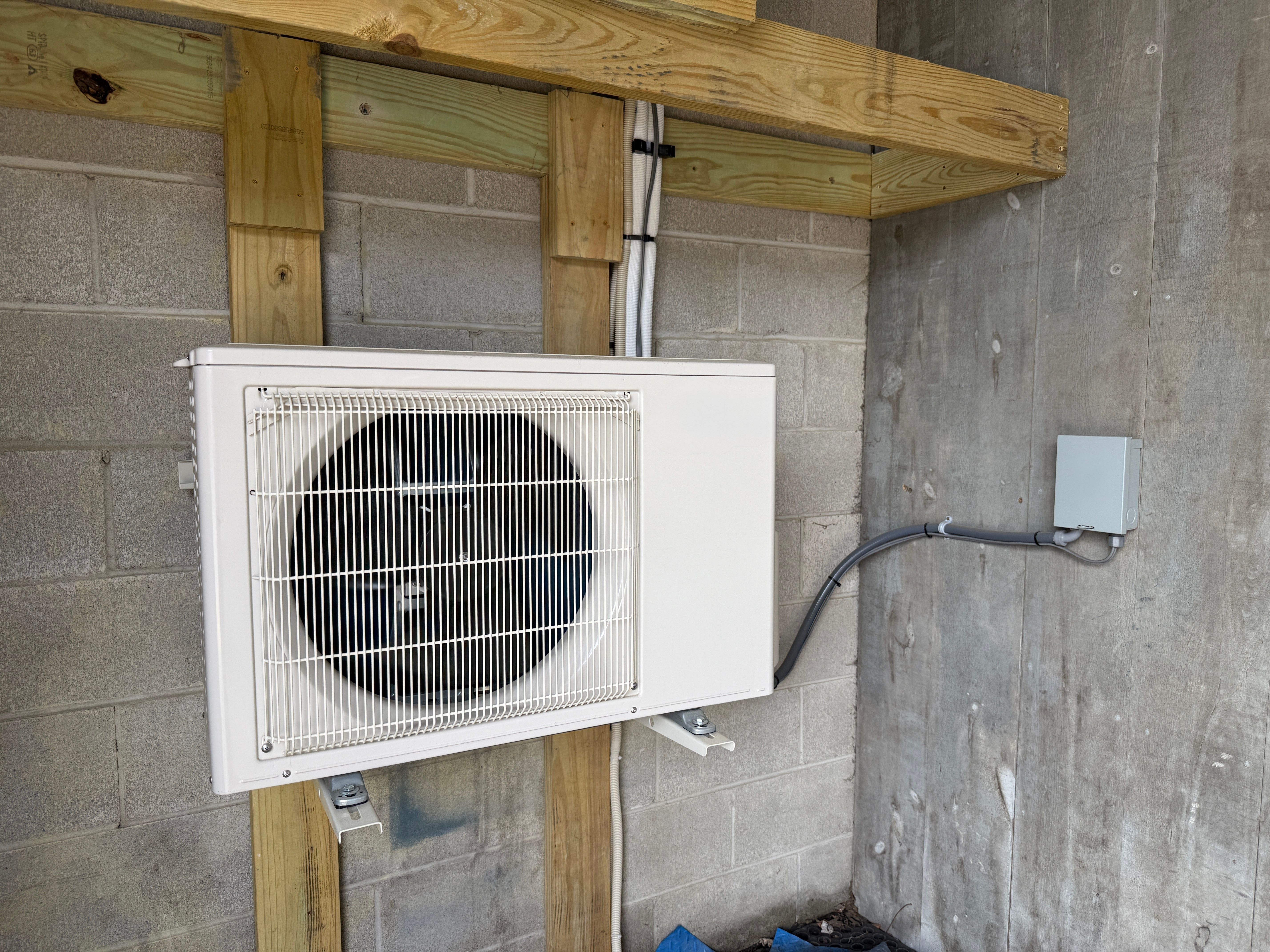
Understanding the components of a mini-split system can help in appreciating its functionality. Key components include:
- Outdoor Unit: Contains the compressor and condenser, responsible for heat exchange.
- Indoor Unit: Mounted on walls or ceilings, it distributes air within the room.
- Refrigerant Lines: Connect indoor and outdoor units, facilitating heat transfer.
- Remote Control: Allows for easy operation and temperature adjustments.
Advantages of Mini-Split Systems
Mini-split systems offer several advantages over traditional HVAC systems. One of the most significant benefits is their energy efficiency. By eliminating the need for ducts, they prevent the energy losses associated with ductwork, leading to lower utility bills.
Additionally, the individual control of each indoor unit means that only occupied spaces are heated or cooled, enhancing overall efficiency. The quiet operation of mini-splits also makes them a popular choice for bedrooms and living rooms.
Installation and Maintenance
Installing a mini-split system is generally quicker and less invasive than installing a central HVAC system. However, professional installation is recommended to ensure optimal performance and longevity.
Regular maintenance, such as cleaning filters and checking refrigerant levels, is essential to keep the system running efficiently. Many manufacturers offer maintenance plans to simplify this process.
Is a Mini-Split System Right for You?
Mini-split systems are an excellent choice for many homeowners, particularly those looking to heat or cool specific areas without the expense of adding ductwork. They are also ideal for homes with unique architectural features, such as high ceilings or large windows, where traditional systems may struggle to maintain even temperatures.
However, it's important to consider factors such as the initial installation cost and the number of zones you wish to control. Consulting with an HVAC professional can help you determine if a mini-split system is the best solution for your home’s heating and cooling needs. Contact us using the following methods and we will get you started on the right track!
Call or Text - (469) 898-3774
Email - [email protected]